A complete step by step guide to get that perfect striped lawn! It’s not magic, it’s mowing…
Make sure your lawn is a cut above the rest with this brilliant article from our friends, and lawncare experts, Ron Smith & Co Ltd.
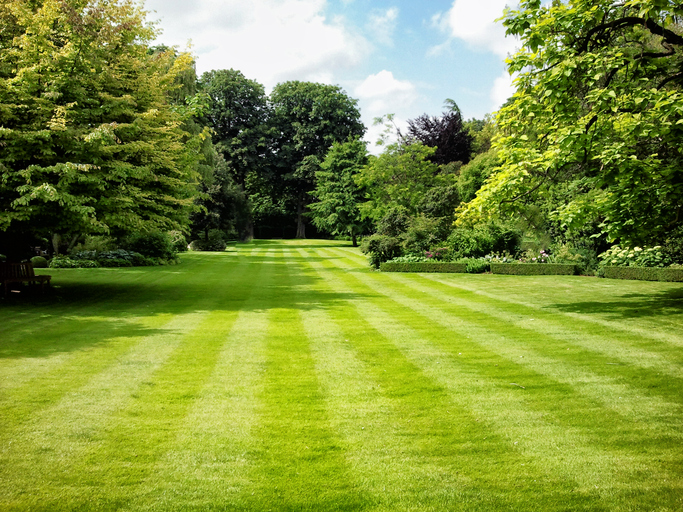
A striped lawn isn’t paint, dye, or a special type of grass. It’s simply an optical effect. When the grass blades are brushed in one direction, they catch the light differently to blades brushed the other way. One pass looks lighter, the next looks darker, and suddenly your lawn has that classic striped effect seen on professional sports pitches and showcase gardens.
The secret to achieving the perfect lawn stripes is to bend the grass consistently as you mow. That’s why rear-roller lawnmowers (and roller attachments on certain machines) are so effective: the roller gently lays the grass over after the blade has cut, locking the direction in place. (Best Roller Lawn Mowers for Sale; Petrol, Electric, Cordless Options)
Start with the Right Expectations
It’s worth saying upfront: a striped lawn is easiest to achieve on a reasonably dense, healthy lawn. Thin, stressed, mossy or weedy turf can still be striped, but the effect will be softer and may not hold for long.
Grass type plays a part too. Finer grasses often stripe more cleanly than coarse, open turf. But you don’t need perfection to get a satisfying result. In most gardens, the biggest difference comes from mowing regularly, keeping a consistent height, and using a mower that can lay the grass down as it goes.
Preparing Your Lawn so Stripes Actually Show
If you want stripes that pop, your lawn needs a surface that’s even and a sward that’s thick enough to reflect light evenly.
A simple place to begin is with tidying and levelling. Pick up sticks and debris, and deal with obvious bumps where the mower scalps the high spots. If you’re constantly catching the same ridges, a little top-dressing and gradual levelling over time will help enormously.
Next, think about lawn density. Regular feeding during the growing season, combined with sensible watering during dry spells, encourages the grass to thicken. A denser lawn means more leaf surface to bend, which means a more visible stripe.
Finally, keep on top of thatch and moss. A lawn choked with thatch can feel spongy underfoot and won’t always take a stripe evenly. Scarifying and aerating at the right time of year can transform how the lawn looks and how well it responds to mowing.
The Key Ingredient: A Rear Roller Mower
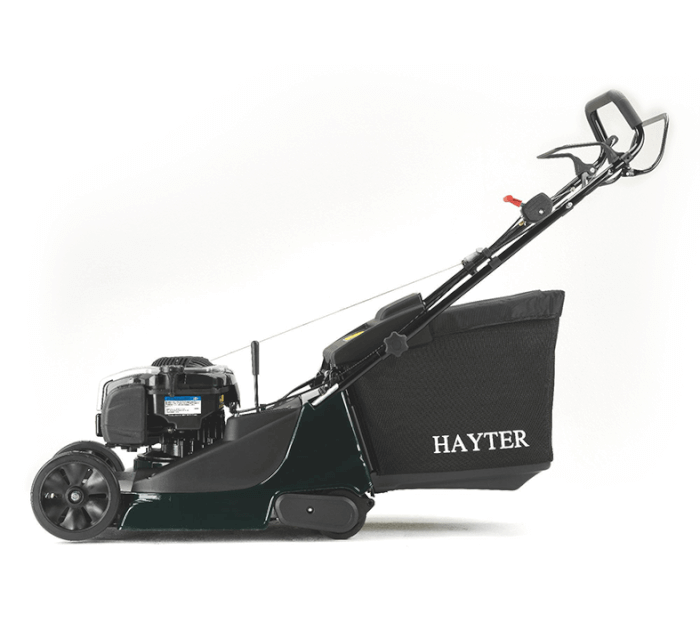
A rear roller on a lawnmower doesn’t just look traditional; it’s functional. As the mower travels forward, the roller follows behind and presses the freshly cut grass, nudging it into a single direction. Do that in parallel lines across the lawn, and you create alternating bands of ‘with the grain’ and ‘against the grain’ grass.
You can get stripes without a roller, especially if the mower has a heavy rear flap or you mow when the grass is slightly pliable. But if your goal is a crisp, repeatable finish, a roller is what makes the difference between ‘a bit of definition’ and ‘proper stripes’.
Choosing a Mowing Height for Striping
Stripes tend to look best when the grass isn’t cut too short. If you scalp the lawn, you reduce the amount of leaf available to bend, and you also increase the chance of the lawn looking patchy. On the other hand, if the grass is left very long, it may flop unevenly and look untidy rather than striped.
A good approach is to raise the height slightly at the start of the season, then gradually lower it as the lawn thickens and growth becomes stronger. In the height of summer, many people lift the cut again to help the lawn cope with heat and drought. Your stripes can still look excellent at a sensible summer height; they just look more ‘velvet’ than ‘shaved’.
Mowing Patterns that Create Sharper Stripes in your Lawn
The simplest striped lawn finish is straight up-and-down passes, end to end, each pass slightly overlapping the previous one. The overlap matters: if you miss a sliver, it will show as a fuzzy, uneven line. Pick a landmark at the far end of your garden (a fence post, tree, or corner of the shed) and steer towards it so your line stays straight.
When you reach the end of a pass, take care with the turn. Tight, twisting turns can scuff the turf and disturb your stripe. A gentle three-point style turn, or a wider arc if you have space, will protect the lawn and keep the finish clean.
Once you’re confident, you can vary the pattern. A diagonal stripe often makes a lawn look wider. A chequerboard effect is simply a second set of stripes at 90 degrees to the first, usually done on a subsequent mow once the lawn is already looking sharp. And if you really want that show-lawn look, alternating stripe directions week by week keeps wear even and prevents the grass from permanently leaning one way.
Timing Matters More than Most People Think
If you mow when the lawn is soaking wet, the grass can clump, the cut can look ragged, and the roller may leave marks rather than a smooth lay. If you mow when the lawn is bone dry and stressed, the blades can feel brittle and won’t bend in a uniform fashion.

For many gardens, the sweet spot is when the grass is dry on top but still has a little flexibility in the leaf. In spring and early summer, that’s often easy. In hotter weather, mowing a little earlier in the day can help, but always prioritise lawn health over chasing stripes.
Cylinder vs Rotary Mower: Which Stripes Better?
Both can stripe. A rotary mower with a rear roller can create very attractive lines, especially on a typical family lawn where practicality matters. Cylinder mowers, though, are the traditional choice for the crispest finish because they cut in a scissor-like action and tend to leave the grass looking very clean and uniform.
If you’re chasing the sharpest possible stripe and a ‘manicured’ look, a cylinder mower is hard to beat. If you want strong stripes with straightforward ownership, a rear-roller rotary lawnmower can make a sensible compromise.
Three Stripe-Making Mowers to Suit Different Budgets
To show how achievable stripes can be, let’s take a look at three very different rear-roller lawn mowers. The point isn’t that you must buy a particular model, but that there’s a stripe-friendly option for most types of lawn and varying budgets.
Mountfield Princess 34 Electric Lawnmower: Stripes on a Sensible Budget
If you’ve got a smaller garden and want that classic striped look without breaking the bank, a compact electric rear-roller mower is often the easiest route in. The Mountfield Princess 34 is designed with domestic lawns in mind, pairing a manageable cutting width with a rear roller that can leave a light striped finish. It’s powered by a 1,400W electric motor, has a 15-metre cable, and uses a 34cm cutting width, making it a practical choice where storage space is limited and mowing time short. (Mountfield Princess 34 Electric Lawn Mower)
In real-world terms, this kind of lawnmower suits home gardeners who want neatness and definition, but don’t necessarily need the heavy, deep striping you’d chase on a large, formal lawn. Mow regularly, keep your lines straight, and you’ll still get that satisfying striped lawn look that transforms the feel of a smaller garden.
STIHL RM655RS Petrol Lawn Mower: A Confident Mid-Market Stripe-Maker
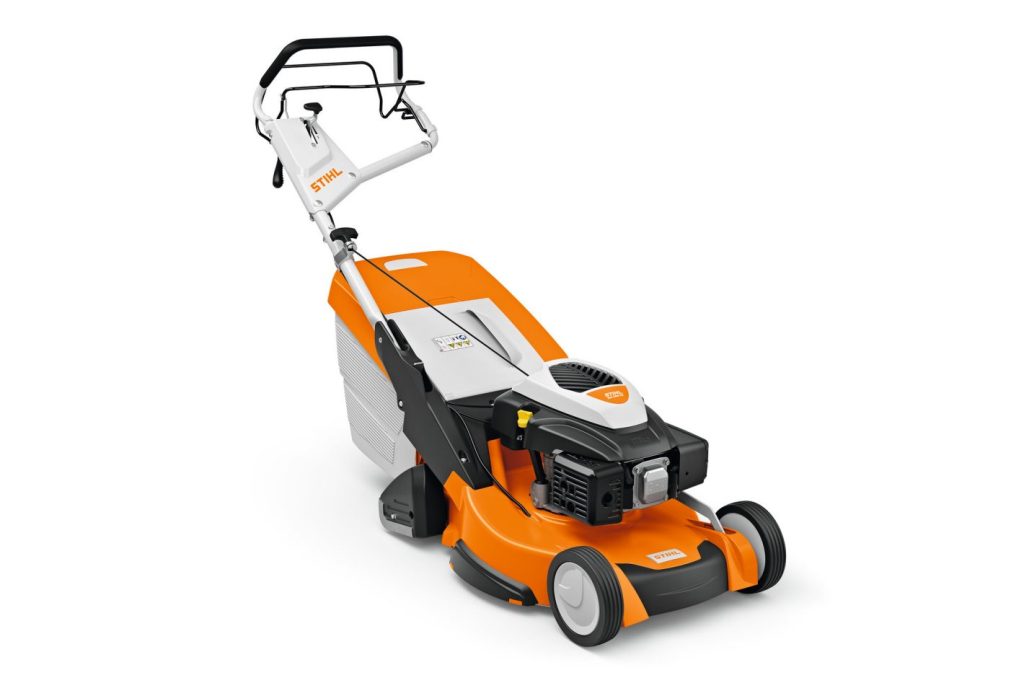
Step up to a larger petrol rear-roller mower and you gain two big advantages: more momentum through thicker growth, and a roller that tends to lay the grass more firmly. The STIHL RM 655 RS is a self-propelled petrol mower with a rear roller, built to deliver a more pronounced, professional-looking striped finish, especially on bigger lawns where you want to cover ground efficiently. (Buy STIHL RM655RS Petrol Lawn Mower)
This is the sort of machine that appeals to people who love the look of stripes but also want a mower that feels robust, is comfortable to use, and performs capably when growth is strong. It features lightweight aluminium housing, a large 70-litre grass box, and host of user-focused comfort features to make weekend mowing a pleasure, never a chore.
Allett Stirling 51 Cordless Cylinder Mower: Premium Stripes, Show-Lawn Precision
At the top end of the scale, a cylinder mower is where striped lawns become genuinely addictive. Expertly engineered by the British company Allett, the Stirling 51 is a cordless cylinder mower with a 20-inch (508mm) working width. Powered by a 56V battery system, it is designed to deliver that crisp, scissor-cut finish with the kind of striping definition associated with formal lawns. (ALLETT Stirling 51 Cordless Lawnmower (Shell Only))
This type of lawnmower is for the real connoisseur—the sort of person who wants to enjoy the process as much as the result. Cylinder mowing encourages a more ‘curated’ approach: regular cuts, careful height adjustments, and a surface that’s prepared to look its best. The payoff is a finish that looks unmistakably premium, with stripes that would grace Wimbledon or Lord’s.
How to Keep Your Striped Lawn Looking Good All Season
Once you’ve created stripes you’re proud of, the next step is keeping them consistent.
Regular mowing is the biggest factor. A lawn that’s cut little and often looks smoother, stripes more readily, and recovers faster. Keep your blade (or cylinder) in good condition too. A clean cut reduces stress on the grass and helps the sward stay dense, which improves the striping effect.
It also helps to vary your direction occasionally. If you always mow in exactly the same lines, the grass will start to lean permanently, and you may create light wear tracks. Changing direction from time to time keeps the lawn healthier and often makes the striping look even better, because the surface remains more uniform.
Stripes Are for Every Lawn, Not Just Show Gardens
A striped lawn is one of those small upgrades that changes how a garden feels. It looks cared for. It looks intentional. And it’s far more achievable than many people assume, especially once you understand that it’s about laying the grass, not cutting it in a special way.
If you’re tempted to take your lawn to the next level, the best starting point is to speak to your local lawnmower dealership. A good garden machinery dealer won’t just sell you a rear-roller mower at a price point that suits your budget; they’ll also help you choose the right type for your lawn, explain what features matter most, and give you practical advice on getting the best possible finish.
Whether you’re starting with an entry-level electric roller mower, moving up to a midmarket machine, or investing in a premium cordless cylinder lawnmower, the right guidance from a local specialist really does make all the difference.
Thanks to our friends, and lawncare experts, Ron Smith & Co Ltd for this comprehensive guide on perfecting those lawn stripes!
It is expert advice like this, which is why GardenTrader champions the importance of Independent dealer experts. Find your closest local garden machinery dealer now.